
Stargazing Telescopes for the Karoo: A Practical Guide
Understanding Karoo Sky Conditions
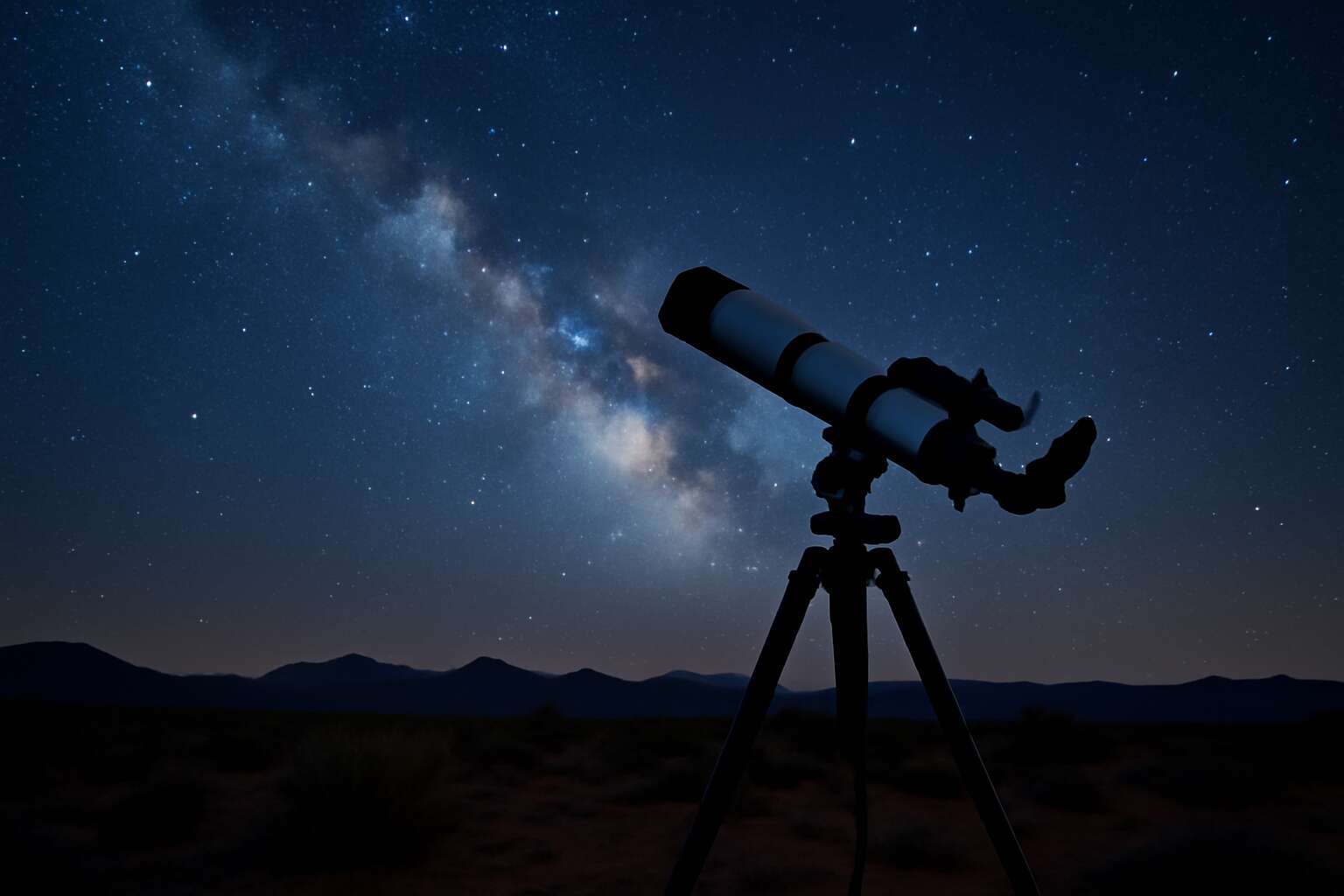
Under a Karoo night, the sky feels intimate and immense at once. For karoo stargazing telescopes, the right instrument shines brightest when it’s simple to set up and built for the veld. In South Africa, the dry air makes stars pop like punctuation marks, and the Milky Way unfurls in arcs across the heavens.
Understanding karoo sky conditions is reading the air itself, a note that our karoo stargazing telescopes translate: high transparency, low humidity, and a calm, still atmosphere that lets faint galaxies drift into view. Temperature shifts can sculpt the optics, so you learn to wait for the moments when the air steadies and the star trails tighten into crisp points.
With that knowledge, evenings become a quiet dialogue between observer and cosmos, a practical poetry that makes the Karoo glow. The landscape, the air, and the stars conspire to reveal more with patience than with brute force.
Choosing Telescopes for Desert Skies
In the Karoo, roughly 60% of nights are cloud-free, a canvas where starlight feels both intimate and immense. For karoo stargazing telescopes, simplicity wins: a sturdy mount, a modest aperture, and a plan that respects the veld’s tempo.
Here are essentials to keep conversations with the cosmos productive:
- Portability and solid, field-friendly mounting for long evenings.
- Aperture paired with a practical focal length for sharp star points without heavy rigging.
- Thermal management to curb dew, heat plumes, and image drift as the air settles.
Choose models that glow softly in headlamp light, and you’ll hear the cosmos respond with quiet, patient clarity that suits the Karoo’s rhythm.
Essential Accessories and Setup
Across the Karoo’s velvet night, nearly 60% of evenings invite the cosmos. For karoo stargazing telescopes, the spell lies in a simple triad: a sturdy, field-ready mount; a modest aperture tuned for sharp stellar points; and a plan that respects the veld’s tempo. When you align that trio under a velvet dome, the sky begins to speak in patient whispers.
Essential accessories thread the practical into the poetic:
- Dew prevention and thermal management: dew heater strips and dew shields.
- Power and portability: a lightweight, high-capacity battery pack and a compact solar charger.
- Navigation and comfort: a red headlamp, a compact star atlas, and a lightweight chair.
With these touches, karoo stargazing telescopes reveal a cosmos as patient as the Karoo wind, inviting you to listen rather than shout.
Observation Planning and Safety in the Karoo
A patient sky awaits in the Karoo, where the night has memory. “The sky is patient here,” a veteran stargazer notes, and karoo stargazing telescopes invite observers to listen. Observation planning becomes a conversation, aligning targets with the veld’s tempo. A moonless window and calm air reveal faint galaxies as quiet pinpricks; the telescope translates distant light into meaning.
For karoo stargazing telescopes, balance guides every choice—optics that sharpen stellar points without overburdening portability. Consider these priorities:
- Moon phase and clear skies for contrast
- Bright planets and deep-sky targets
- Time blocks for the veld’s cool hours
Safety and stewardship go hand in hand: monitor weather, respect wildlife, and observe regulations. Keep pathways clear and use dim lighting to protect night vision.
Under such care, the sky rewards with a patient chorus, the hush of stars arranging themselves into a secret map for the curious to listen rather than rush.
0 Comments