
Understanding the Solar Energy Landscape in South Africa
South Africans have learned to plan dinner around an unpredictable grid. The solar energy landscape here mirrors that reality, growing with every hour of loadshedding. Rooftop installations have surged by over 300% since 2023. People are tired of guessing!
When we look at lunt solar systems south africa, the appeal becomes obvious. The sun is abundant. The technology keeps improving. The economics, for once, are on the side of the householder. Some homeowners now feed excess power back to the municipality, a reversal nobody predicted. Even the skeptics are checking their roofs.
Here is what newcomers overlook:
- Financing options have multiplied beyond the upfront shock.
- Battery capacity, not panel wattage, determines your comfort.
- The installer you choose matters as much as the hardware.
People still underestimate the complexity. lunt solar systems south africa sits right in the middle of it.
Exploring the Lunt Solar Product Range
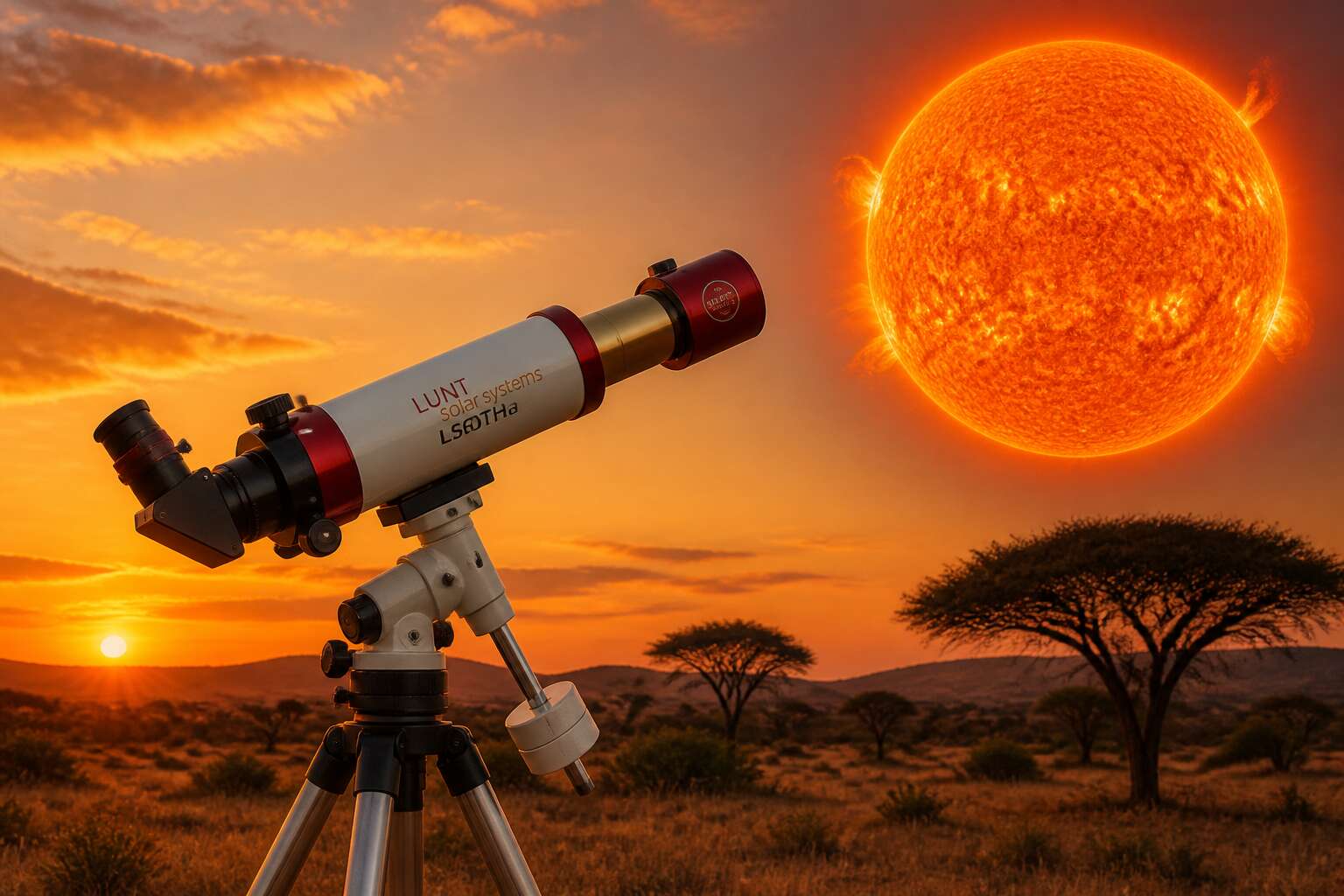
Solar observation rewards patience, but the payoff is celestial clarity. For South African enthusiasts, the search often ends with Lunt Solar Systems South Africa. These telescopes reveal the sun’s chromosphere in striking detail, from roiling prominences to filament threads. I have spent evenings testing their hydrogen-alpha scopes, and the difference is tangible. The range spans several aperture sizes and includes dedicated blocking filters. A typical setup involves:
- a double-stacked etalon for enhanced contrast
- a Feather Touch focuser for precise tuning
- a solar finder to align quickly
Each component serves a purpose. The craftsmanship feels robust against our harsh climate. Their support team understands load shedding realities. Consistent views matter most. That consistency builds trust for repeated observation sessions.
Purchasing and Installing Your Solar System
The average South African home loses power for hours each week. That unpredictability makes lunt solar systems south africa a serious consideration. I have seen buyers fixate on panel wattage while ignoring battery compatibility, a costly mistake.
Start with a load analysis. Audit every appliance and calculate your peak draw. Choose a hybrid inverter that can handle future expansion. Then select a certified installer who understands local grid regulations, because proper integration matters.
Installation typically follows this sequence:
- Structural inspection of the roof
- Racking and panel placement
- Cable runs and inverter mounting
- Battery connection and system commissioning
Expect the whole process to span two days. Ask for a detailed handover document. You will need it for warranty claims and future troubleshooting.
Costs, Financing, and Return on Investment
Someone once said the sun is free, but the hardware is not. In South Africa, that reality hits hard when you price Lunt solar systems south africa. The upfront cost can feel like buying a small car and then watching it sit in the driveway. However, the financing landscape has changed. You can lease, take a loan, or lean on tax incentives that make the numbers friendlier.
Here is a quick rundown of what actually works:
- Lease options with no deposit.
- Green energy loans from major banks.
- Section 12B tax allowance for businesses.
Your return on investment depends on load shedding. Every hour of blackout is an hour your system pays you back. For most homes, the payback period lands between four and six years. After that, you are essentially laughing at Eskom. The numbers are not magic, they are just math.
Maintaining Your Solar System for Long-Term Performance
The sun is relentless, and so is the toll of an unmaintained solar array. In South Africa, a single summer of dust and bird droppings can cut output by a fifth. That loss goes unnoticed until your electricity bill arrives.
For lunt solar systems south africa, longevity depends on routine care. The inverter needs airflow, and the panels need unobstructed light. Loose wiring, corroded connectors, and microcracks all demand attention. The watchpoints are simple:
- The inverter’s error logs, reviewed monthly.
- Shading from new growth or debris.
- Loose connections after high winds.
Each of these checks takes minutes. Their absence compounds over years, turning small oversights into major repairs. A well-tended array delivers consistent output across all conditions.


0 Comments